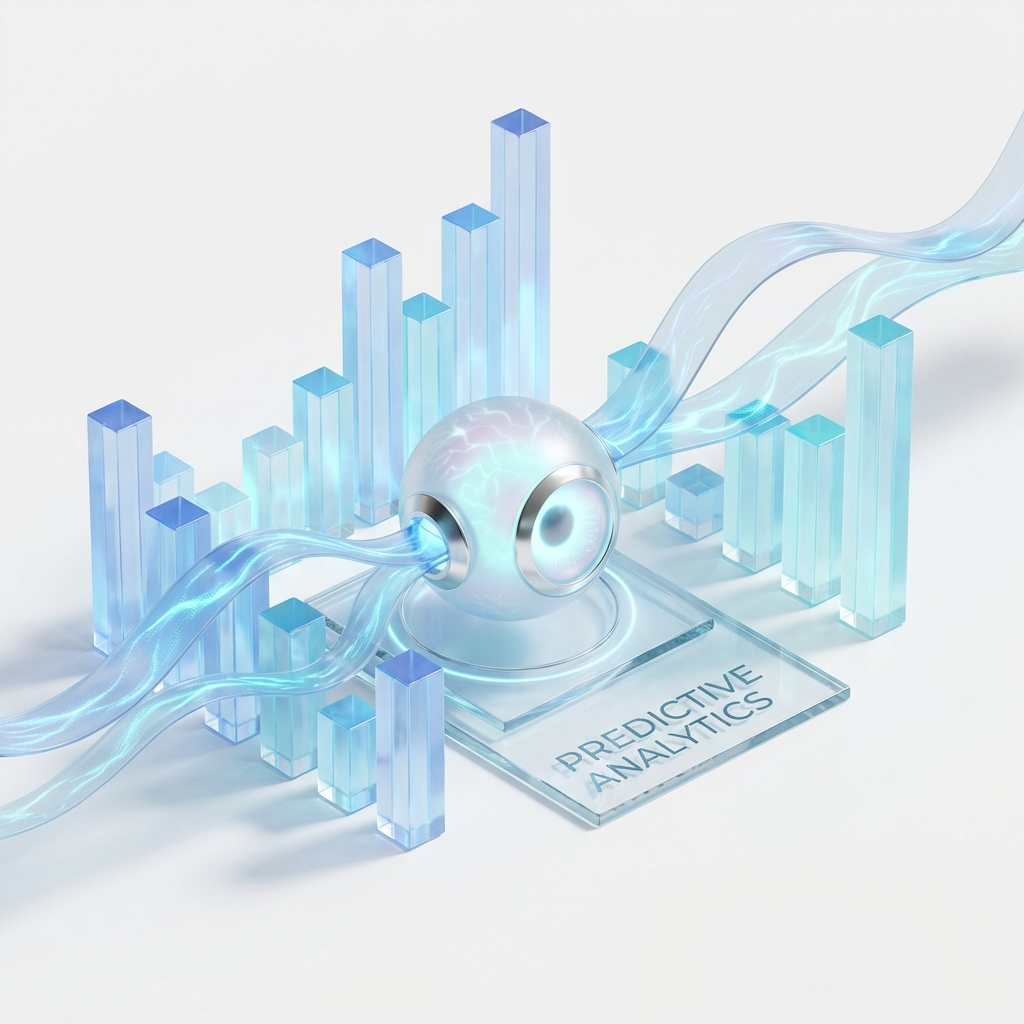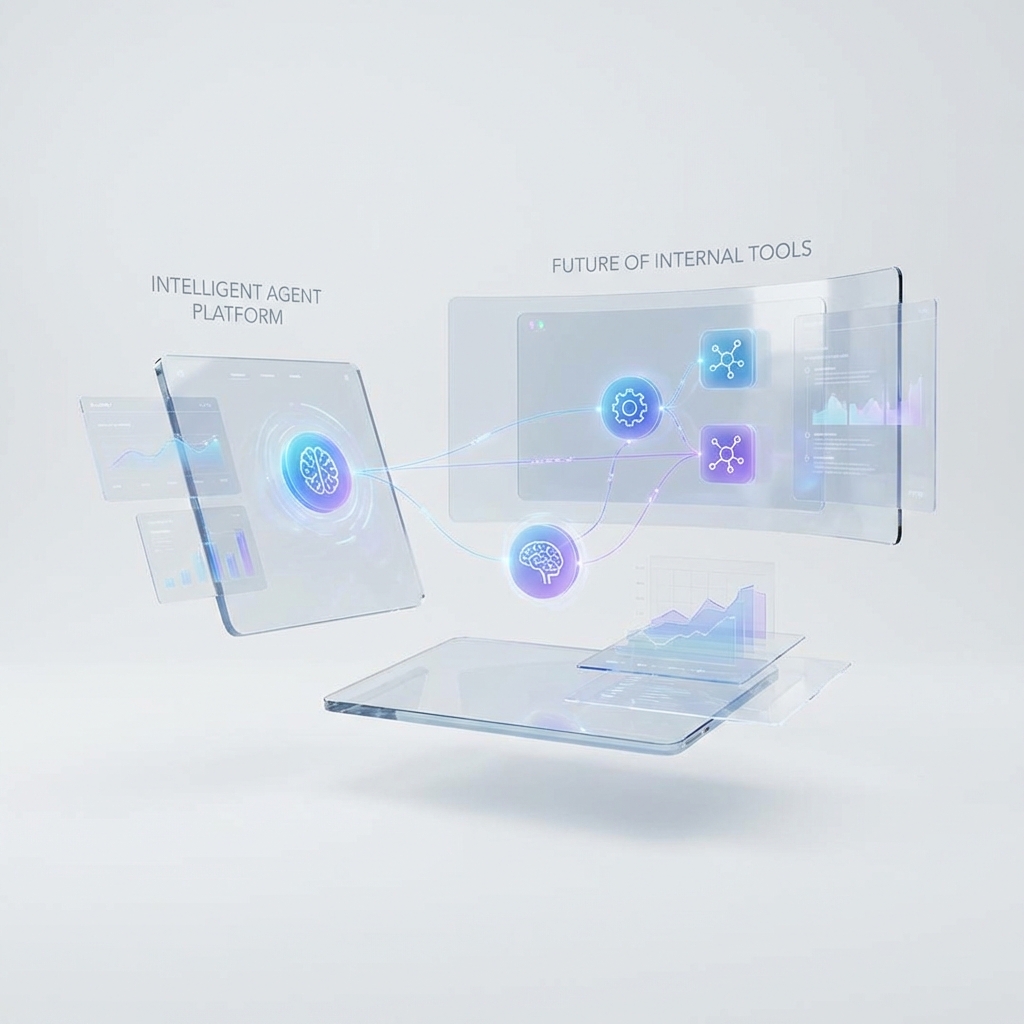
The landscape of internal software is undergoing a seismic shift. For decades, "internal tools" meant static dashboards, manual data entry, and brittle integrations. But as we move into 2026, the era of the passive dashboard is ending.
The Rise of Agentic Workflows
Traditional tools require a human to look at a chart, make a decision, and then click a button. Autonomous tools, powered by LLMs and agentic frameworks, reverse this. They monitor data streams, identify anomalies, and propose (or execute) solutions before a human even opens the tab.
"The best internal tool is the one you never have to use because it already solved the problem for you."
Key Benefits
- Zero Latency: Problems are addressed in real-time as data flows in.
- Reduced Cognitive Load: Teams focus on high-level strategy rather than row-level monitoring.
- Self-Healing Integrations: AI can adapt to API changes and schema shifts automatically.
At Apotza, we're building the foundation for this shift. Our platform allows engineers to deploy "Smart Sentry" agents that understand business context as deeply as your best ops person.